Hello, my name is Christine Huynh and I have been in the Health Science College program for about a year now. This glossary addresses whoever is in the same field of study and wants to further expand their vocabulary knowledge by hopefully learning new related words. In fact, it is evident that courses like Biology, Chemistry, and even Physics are required studies to succeed in this demanding program. Therefore, I have created this bank of unique vocabulary words that you might come across during a lecture or a test. By reading the 15 researched terms bellow, you will likely discover new definitions which will help to increase your comprehension and expand your grasp on the subject when needed.
acquiring
verb
Buy or obtain (an asset or object) for oneself.
Example: A paleontologist has the need for acquiring new fossils.
fr: acquérir
adapt
verb
Make (something) suitable for a new use or purpose; modify.
Example: Polar bears have a unique fur that helps them survive in cold regions, that is because those creatures are supposed to adapt in low temperatures.
fr: adapter
animal
noun
A living organism that feeds on organic matter, typically having specialized sense organs and nervous system and able to respond rapidly to stimuli.
Example: This man is raging like a savage animal.
fr: animal
blood
noun
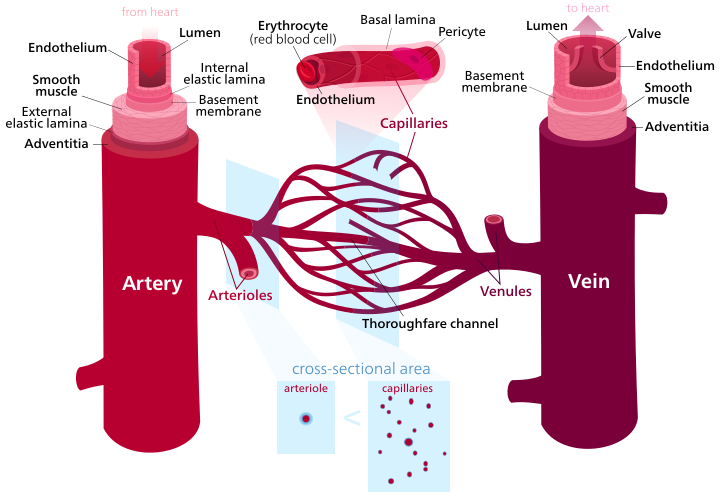
The red liquid that circulates in the arteries and veins of humans and other vertebrate animals, carrying oxygen to and carbon dioxide from the tissues of the body.
Example: As the fox bites into the mouse, blood starts spilling from its body.
fr: sang
consume
verb
Eat, drink, or ingest (food or drink).
Example: By eating the mouse, the fox is able to consume the necessary nutrients it needs to live.
fr: consumer
dangerous
adjective
Able or likely to cause harm or injury.
Example: In a laboratory, it is very important to wear a lab coat to prevent ourselves from getting hurt by dangerous solutions.
fr: dangereux
flesh
noun
The soft substance consisting of muscle and fat that is found between the skin and bones of an animal or a human.
Example: That creature is tearing the rat’s flesh so aggressively.
fr: chair
fossil
noun
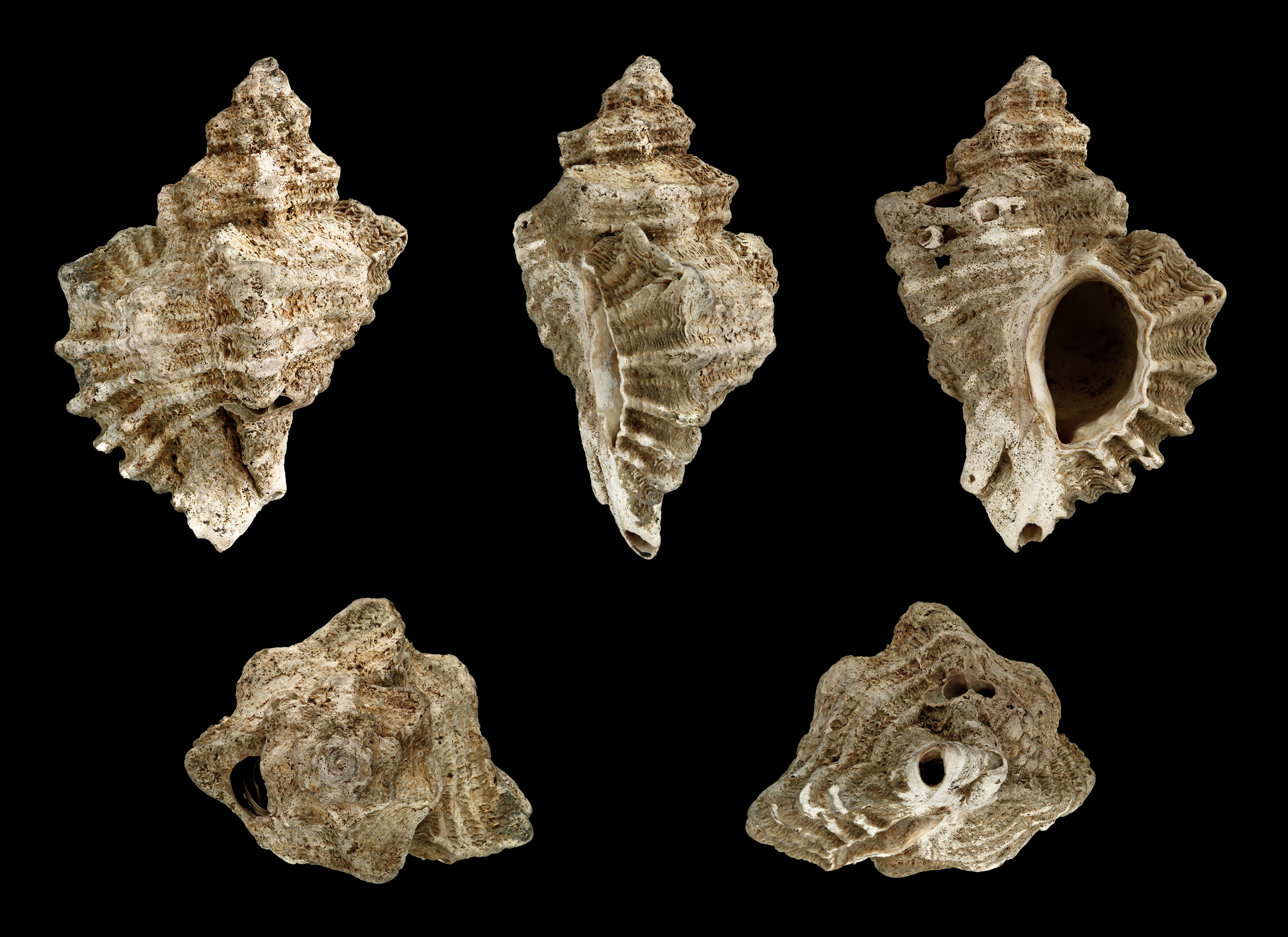
The remains or impression of a prehistoric organism preserved in petrified form or as a mold or cast in rock.
Example: Africa was the cradle of humanity. Discuss using fossil genetic and archaeological evidence.
fr: fossile
mammal
noun
A warm-blooded vertebrate animal of a class that is distinguished by the possession of hair or fur, the secretion of milk by females for the nourishment of the young, and (typically) the birth of live young.
Example: Sharks are a type of fish. They are not mammals since they lack any of the characteristics that distinguish a mammal.
fr: Mammifère
paleontologist
noun
A person who studies or is an expert in the branch of science concerned with fossil animals and plants.
Example: A paleontologist’s job is to dig up fossils from the past in order to study extinct creatures.
fr: paléontologiste
parasitic
adjective
Resulting from infestation by a parasite.
Example: Mortality from parasitic diseases.
fr: parasitique
predator
noun
An animal that naturally preys on others.
Example: Foxes like to prey on small mice.
fr: prédateur
preserved
verb
Maintain (something) in its original or existing state.
Example: It is important for people to keep its nature preserved.
fr: conservé
species
noun
A group of living organisms consisting of similar individuals capable of exchanging genes or interbreeding.
Example: You need suitable information on each individual species' habitat, breeding systems and food resource agriculture.
fr: espèces
vertebrate
noun
An animal of a large group distinguished by the possession of a backbone or spinal column, including mammals, birds, reptiles, amphibians, and fishes.
Example: They have a common origin. The basic bones of the vertebrates are excellent examples of homologies.